
Breaking the Chains

Updated: Feb 24
Identifying Generational Trauma & Bondage —
and How to Overcome Them Through Faith
The Inheritance We Don't Talk About

Every family has a story. Some of it is beautiful — resilience, love, faith, laughter, and legacy. But woven into that same story, for many of us, are threads of pain that have been passed silently from one generation to the next. Wounds that were never healed. Patterns that were never named. Behaviors that simply became 'the way things are in our family.'
This is what the Bible refers to as iniquity — a bending or twisting that travels through family lines. It is what psychology calls generational trauma. And it is one of the most powerful, least discussed forces shaping the lives of our children today.
"You shall not bow down to them or worship them; for I, the Lord your God, am a
jealous God, punishing the children for the sin of the parents to the third and fourth
generation of those who hate me." — Exodus 20:5
But God did not leave the sentence there. He continued: 'but showing love to a thousand generations of those who love me and keep my commandments' (Exodus 20:6). The cycle of generational trauma is real — but so is the power of God to break it. Healing is not just possible; it is promised.
This article is designed to help you identify common generational trauma patterns, understand what Scripture says about them, and take practical, faith-filled steps toward freedom — for yourself and for the generations that follow you.
The enemy is patient. He will wait until your children step out from under your roof and into the world of greater independence before exploiting what they do not know. Your job — your calling as a parent, grandparent, mentor, or community leader — is to close that door. Name the wounds. Break the silence. Equip the next generation.
The chain can end with you.
Twenty-Three Generational Trauma Patterns
& Paths to Healing
The following entries are some of the most common generational trauma patterns observed in families. In addition to relevant scripture, each includes practical guidance for overcoming. Approach each one prayerfully and honestly, asking the Holy Spirit to reveal what is relevant to your own family line.
1. Addiction (Substances, Behaviors, or Substances)
Patterns of addiction — alcohol, drugs, food, gambling, pornography — often run through family lines for generations. What one generation uses to cope becomes the next generation's inheritance.
"Do not get drunk on wine, which leads to debauchery. Instead, be filled with the Spirit."
— Ephesians 5:18
"For you have spent enough time in the past doing what pagans choose to do — living
in debauchery, lust, drunkenness..." — 1 Peter 4:3
How to Overcome: Acknowledge the pattern by name. Seek professional counseling, Christ-centered recovery programs (such as Celebrate Recovery), and accountability partners rooted in faith. Pray for deliverance and renew the mind through Scripture daily.
2. Poverty Mindset & Financial Bondage
Generations of scarcity can create a deep belief that wealth is not for 'people like us.' This manifests as poor financial habits, fear of investing, and cycles of debt passed from parent to child.
"For I know the plans I have for you, declares the Lord, plans to prosper you and not to harm you." — Jeremiah 29:11
"The blessing of the Lord brings wealth, without painful toil for it." — Proverbs 10:22
How to Overcome: Renew your financial mindset through biblical stewardship teaching. Seek financial literacy education, create a budget, and teach children how money works from a young age. Tithe faithfully and trust God's provision.
3. Rage, Anger & Explosive Temper
Children who grow up watching uncontrolled anger learn to either mirror it or fear it — and often both. Generations of explosive conflict leave emotional scars that shape relationships for decades.
"In your anger do not sin: do not let the sun go down while you are still angry." — Ephesians 4:26
"A hot-tempered person stirs up conflict, but the one who is patient calms a quarrel." — Proverbs 15:18
How to Overcome: Pursue anger management counseling and learn healthy emotional regulation. Practice Sabbath, prayer, and breathing disciplines. Teach children that emotions are valid but how we express them matters.
4. Abandonment & Fatherlessness
The wound of an absent father — whether physically or emotionally — creates a deep longing for approval, a distorted view of authority, and often a broken relationship with God as Father.
"Though my father and mother forsake me, the Lord will receive me." — Psalm 27:10
"A father to the fatherless, a defender of widows, is God in his holy dwelling." — Psalm 68:5
How to Overcome: Allow God to fill the father-wound through prayer, healing, and community. Seek Christian counseling. For parents — be present, intentional, and emotionally available. Name the wound so your children are not ashamed of it. Seek to build community that includes safe, healthy God-fearing father figures.
5. Sexual Abuse & Exploitation
Sexual trauma is one of the most devastating generational cycles. Survivors who have not received healing can unknowingly place their children in environments that repeat the cycle.
"He heals the brokenhearted and binds up their wounds." — Psalm 147:3
"You intended to harm me, but God intended it for good." — Genesis 50:20
How to Overcome: Seek trauma-informed Christian therapy. Break the silence — secrets sustain cycles. Protect your children with age-appropriate conversations about body safety. Hold accountable all offenders. Allow Jesus to redeem and restore what was stolen.
6. Rejection & Low Self-Worth
When rejection is the consistent message of a home — through criticism, favoritism, or neglect — children grow up believing they are fundamentally unlovable, unworthy, and not enough.
"I praise you because I am fearfully and wonderfully made; your works are wonderful." — Psalm 139:14
"See what great love the Father has lavished on us, that we should be called children of God." — 1 John 3:1
How to Overcome: Replace internalized rejection with God's truth about identity. Speak affirmation over your children daily. Pursue inner healing prayer and counseling. Teach children their worth is rooted in Christ, not performance.
7. Divorce & Covenant-Breaking
When divorce becomes normalized across generations, children struggle to believe marriage is worth fighting for. The residual pain often programs future generations to either fear commitment or repeat the same relational patterns.
"What God has joined together, let no one separate." — Matthew 19:6
"The Lord is acting as the witness between you and the wife of your youth, because you have broken faith with her." — Malachi 2:14
How to Overcome: Value and pursue pre-marital and marital counseling with a trauma-informed counselor. Model covenant love for your children. Heal the wounds of past divorce before entering new relationships. Teach children that love is a choice, not just a feeling.
8. Mental Illness (Untreated)
Depression, anxiety, bipolar disorder, and other mental health conditions often have both genetic and environmental components. When left unnamed and untreated, they create chaos across family systems.
"Cast all your anxiety on him because he cares for you." — 1 Peter 5:7
"For God has not given us a spirit of fear, but of power, love, and a sound mind." — 2 Timothy 1:7
How to Overcome: Remove the stigma around mental health in your home. Seek professional diagnosis and treatment — including therapy and, where needed, medication. Combine clinical care with spiritual disciplines. Teach children to name their emotions safely.
9. Witchcraft, Occult Involvement & Spiritual Bondage
Generations of occult practice, curses spoken, or covenants made with darkness can create spiritual oppression that travels through family lines — often manifesting as unexplainable hardship, nightmares, or spiritual blindness.
"Let no one be found among you who... practices divination or sorcery..." — Deuteronomy 18:10
"The Son of God appeared for this purpose, to destroy the works of the devil." — 1 John 3:8
How to Overcome: Repent and renounce any known occult involvement in your family line. Pray generational deliverance prayers with a pastor or deliverance minister. Fill your home with worship, prayer, and the Word of God.
10. Racism, Prejudice & Hatred
Hatred taught in the home becomes hatred lived in the world. Generational prejudice — whether racial, cultural, or religious — shapes how children see others and limits their capacity for the love of God.
"There is neither Jew nor Gentile, neither slave nor free... for you are all one in Christ Jesus." — Galatians 3:28
"Do not seek revenge or bear a grudge against anyone among your people, but love your neighbor as yourself." — Leviticus 19:18
How to Overcome: Name the bias honestly. Expose your children to the beauty of diverse cultures. Teach the biblical value of every human life made in God's image. Repent of generational prejudice in prayer and model Christ-like love.
11. Shame & Secrecy
Families that operate under a code of silence — 'what happens in this house stays in this house' — breed shame. Shame convinces the next generation that they are their wounds, not the children of a healing God.
"Therefore, there is now no condemnation for those who are in Christ Jesus." — Romans 8:1
"For all have sinned and fall short of the glory of God, and all are justified freely by his grace." — Romans 3:23–24
How to Overcome: Create a home culture of honesty and grace. Allow confession to be safe. Teach children that asking for help is strength, not weakness. Pray to break the spirit of shame and replace it with God's glory.
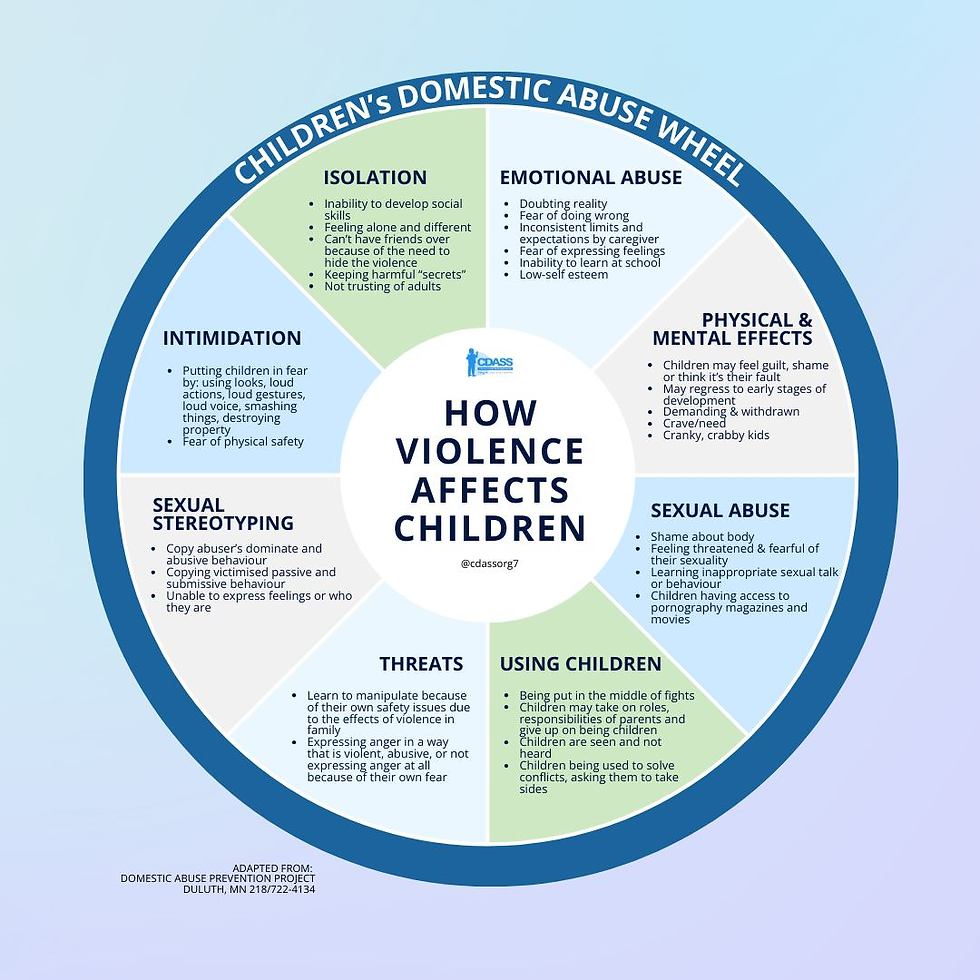
12. Domestic Violence & Abuse
Children who witness or experience abuse learn that love and violence coexist — a lie that follows them into every adult relationship. The cycle is powerful, but it is not unbreakable.
"The Lord is close to the brokenhearted and saves those who are crushed in spirit." — Psalm 34:18
"Husbands, love your wives, just as Christ loved the church and gave himself up for her." — Ephesians 5:25
How to Overcome: Pursue safety first. Seek a domestic violence advocate and Christian counseling. Teach children what healthy love looks like from a young age. Pray for healing, wisdom, and protection — and do not stay silent.
13. Perfectionism & Performance-Based Love
When love in a home is conditional — based on grades, behavior, or achievement — children learn that they must earn their worth. This creates anxious, driven adults who never feel good enough.
"But God demonstrates his own love for us in this: while we were still sinners, Christ died for us." — Romans 5:8
"For it is by grace you have been saved, through faith — and this is not from yourselves, it is the gift of God." — Ephesians 2:8
How to Overcome: Love your children unconditionally and vocalize it. Separate their worth from their behavior. Celebrate effort, not just success. Practice receiving God's unconditional love and extend it to your family.
14. Broken Trust & Betrayal
Families built on broken promises, betrayal, and deception raise children who struggle to trust anyone — including God. Relational wounds from childhood reappear in adult friendships, marriages, and faith.
"It is better to take refuge in the Lord than to trust in humans." — Psalm 118:8
"Trust in the Lord with all your heart and lean not on your own understanding." — Proverbs 3:5
How to Overcome: Be a trustworthy parent — say what you mean and do what you say. When you fail, own it. Teach children that while people disappoint, God never fails. Pursue counseling to heal betrayal wounds.
15. Idolatry & Misplaced Worship
Whether it is money, success, sports, relationships, or reputation — generational idolatry places something above God and passes that misalignment of values to the next generation.
"You shall have no other gods before me." — Exodus 20:3
"For where your treasure is, there your heart will be also." — Matthew 6:21
How to Overcome: Examine what your family truly worships through your schedule, spending, and conversations. Actively center your home on God — through prayer, worship, and Sabbath rest. Model a life where God is truly first.
16. Pride & Arrogance
Generational pride convinces families they are above accountability, above correction, and above need. It produces children who cannot receive wisdom, cannot apologize, and struggle to submit to God.
"Pride goes before destruction, a haughty spirit before a fall." — Proverbs 16:18
"God opposes the proud but shows favor to the humble." — James 4:6
How to Overcome: Practice humility in your home — apologize to your children when you are wrong. Welcome correction from pastors and mentors. Teach children that strength is found in yielding to God, not in self-sufficiency.
17. Grief & Unresolved Loss
Families that never properly grieve — losses of loved ones, dreams, or identity — create emotional numbness, depression, and a disconnect from joy that can last for generations.
"Blessed are those who mourn, for they will be comforted." — Matthew 5:4
"He will wipe every tear from their eyes. There will be no more death or mourning or crying or pain." — Revelation 21:4
How to Overcome: Give yourself and your family permission to grieve. Create rituals of remembrance. Seek grief counseling. Teach children that sadness is not a sign of weak faith — even Jesus wept (John 11:35).
18. Racism Internalized (Self-Hatred & Cultural Shame)
Some families carry a deep shame about their own cultural identity — a wound inflicted by systemic oppression and internalized over generations. This can manifest as self-rejection and a broken cultural identity in children.
"So God created mankind in his own image, in the image of God he created them." — Genesis 1:27
"You are a chosen people, a royal priesthood, a holy nation, God's special possession." — 1 Peter 2:9
How to Overcome: Celebrate your family's heritage and cultural identity. Teach children their history with pride and truth. Pray to dismantle internalized lies. Help children understand they are made in the image of God — exactly as they are.
19. Emotional Unavailability & Detachment
Parents who were never emotionally nurtured often do not know how to nurture their own children. Emotional detachment — though rarely intentional — leaves children starved for connection and unsure how to form healthy bonds.
"As a mother comforts her child, so will I comfort you." — Isaiah 66:13
"See that you do not despise one of these little ones." — Matthew 18:10
How to Overcome: Begin the work of emotional intelligence — learn to name, feel, and express emotions healthily. Seek counseling. Practice attunement with your children: put down the phone, make eye contact, listen deeply.
20. Control & Manipulation
Generational control — often born from fear — produces homes where love is used as a tool of manipulation. Children raised in controlling environments often struggle with codependency, fear of authority, or becoming controllers themselves.
"Do nothing out of selfish ambition or vain conceit. Rather, in humility value others above yourselves." — Philippians 2:3
"Love is patient, love is kind. It does not envy, it does not boast, it is not proud. It does not dishonor others, it is not self-seeking." — 1 Corinthians 13:4–5
How to Overcome: Learn the difference between guidance and control. Trust God with outcomes you cannot manage. Seek counseling for codependency. Teach children that love gives freedom — it does not demand compliance.
21. Chronic Illness & Infirmity
While not all illness is spiritual, some families carry a generational pattern of specific diseases, ailments, or infirmity that may have both physical and spiritual dimensions worth addressing in prayer.
"He himself bore our sins in his body on the cross, so that we might die to sins and live for righteousness; by his wounds you have been healed." — 1 Peter 2:24
"Is anyone among you sick? Let them call the elders of the church to pray over them." — James 5:14
How to Overcome: Pursue both medical care and intercessory prayer. Pray healing scriptures over your family. Invite elders to pray for healing. Maintain healthy lifestyle habits and teach children to steward their bodies as temples of the Holy Spirit.
22. Criminal Behavior & Incarceration
Children of incarcerated parents face a statistically higher risk of incarceration themselves — not because it is destiny, but because broken environments, trauma, and lack of guidance create vulnerability.
"Train up a child in the way he should go; even when he is old he will not depart from it." — Proverbs 22:6
"Therefore, if anyone is in Christ, the new creation has come: the old has gone, the new is here!" — 2 Corinthians 5:17
How to Overcome: Name the cycle without shame. Provide strong mentors and role models. Surround your children with community. Teach them that Christ breaks every chain — their family story is not their final chapter.
23. Estrangement Between Siblings
When brothers and sisters stop speaking, the wound rarely begins with them. Parental favoritism, unresolved childhood pain, inheritance disputes, or a home that modeled cutting people off rather than reconciling — these are the seeds of sibling estrangement. Left unhealed, children watching this pattern learn that abandonment is an acceptable response to offense, and they carry that template into every relationship that follows. The estrangement that began between two people becomes the emotional inheritance of an entire family system.
"How good and pleasant it is when God's people live together in unity!" — Psalm 133:1
"If it is possible, as far as it depends on you, live at peace with everyone." — Romans 12:18
"Anyone who claims to be in the light but hates a brother or sister is still in the darkness." — 1 John 2:9
"Be kind and compassionate to one another, forgiving each other, just as in Christ God forgave you." — Ephesians 4:32
How to Overcome: Examine the root — most estrangements are unresolved pain wearing the mask of pride. Seek Christian counseling or mediation. Where abuse is not a factor, pursue reconciliation with humility and clear boundaries. Be honest with your children about the estrangement in age-appropriate ways so they are not left to fill the silence with shame. Model forgiveness — even imperfect, ongoing forgiveness — and teach them that unity is worth fighting for. The first murder in Scripture was between brothers; God has always taken sibling division seriously.
The Work of Breaking the Chain
Identifying generational trauma is not an act of blame — it is an act of love. When you name what has traveled through your family line, you are not dishonoring your ancestors. You are choosing to love the generation after you more than you fear the discomfort of honesty.
This work takes time, courage, and community. You do not have to do it alone. Find a pastor, a therapist, a trusted mentor, or a small group of believers who can walk with you. Bring it before God in prayer — regularly, specifically, and with faith.
"If we confess our sins, he is faithful and just to forgive us our sins and to purify us from all unrighteousness." — 1 John 1:9
The promise of Scripture is clear: what the enemy has used for generations to steal, kill, and destroy, God can redeem. He is the God of the impossible. He is the God who makes all things new. And He is waiting — not to condemn you for what was passed down — but to walk with you into the freedom He has already purchased.
Start the conversation. Do the work. Share it with your children in age-appropriate ways. And trust that the seeds of healing you plant today will bear fruit in generations you will never see this side of eternity.
The chain can end with you. In Jesus' name, it does.
A Prayer for Generational Freedom
Father God, I come before You on behalf of myself and my family line. I acknowledge the wounds, the patterns, and the pain that have traveled from generation to generation. I do not excuse them, and I do not deny them. I bring them to the foot of the cross and ask for Your redemption. Where there has been addiction, bring sobriety. Where there has been abuse, bring healing. Where there has been poverty, bring Your provision. Where there has been spiritual bondage, bring the freedom that only Your Son can give. I choose today to be a turning point in my family's story. By the power of Your Holy Spirit, I break every chain that was never meant for my children to carry. Let your love — not our trauma — be the inheritance we pass on. In Jesus' name, Amen.
#BreakTheCycle #GenerationalHealing #RaisingHealedHearts #TraumaInformedParenting #HealingStartsAtHome #EmpoweredParenting


Comments